Modern Hand Dryers
Replacing an old, slow hand dryer with a modern high-speed model cuts drying time, reduces energy use, and eliminates the ongoing cost of paper towels. A straightforward swap with a fast return on investment for busy washrooms.
Soap Dispensers
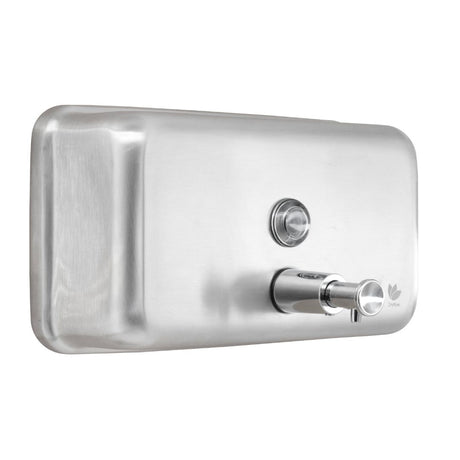
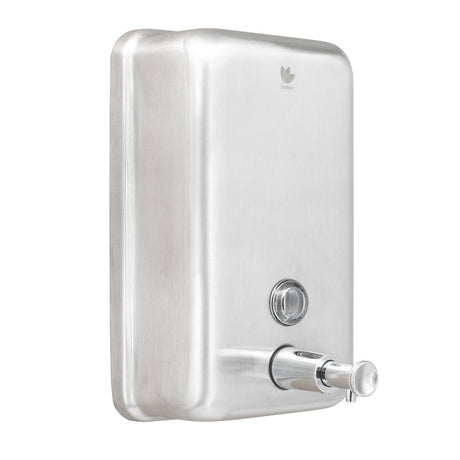
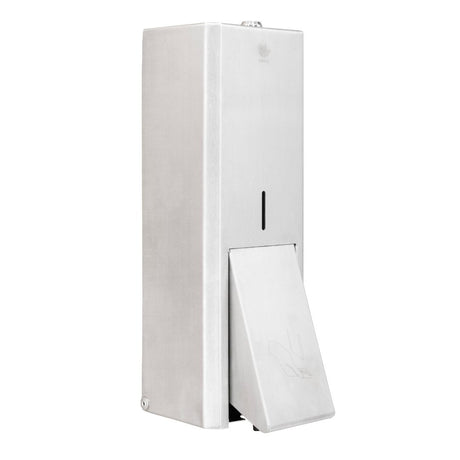
Swap out worn or leaking manual dispensers for modern wall-mounted or sensor-operated soap dispensers. An easy change that improves hygiene, reduces mess, and gives your washroom a cleaner, more professional finish.
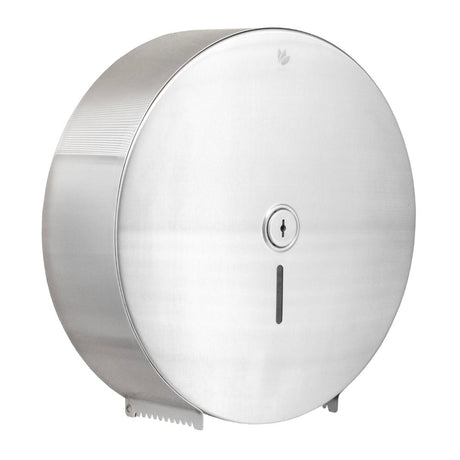
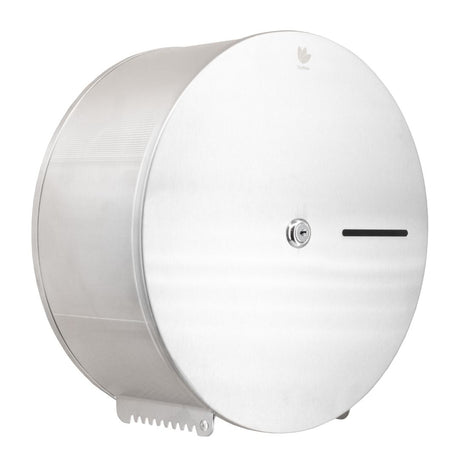
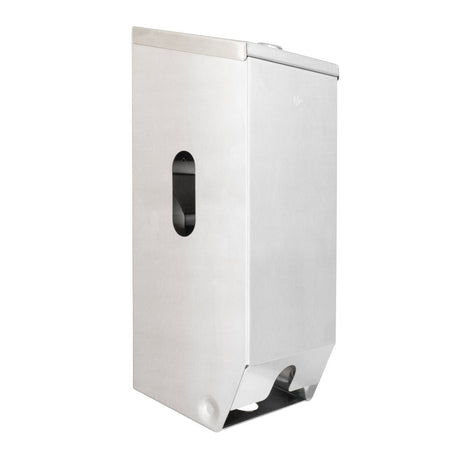
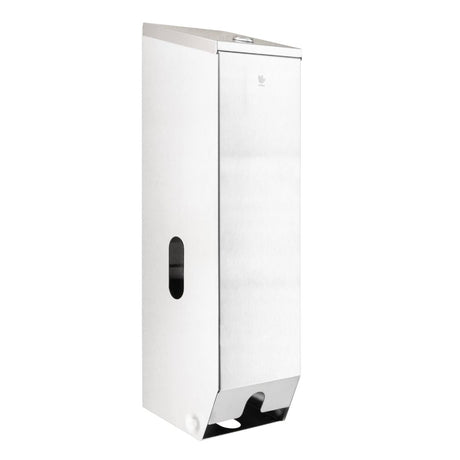
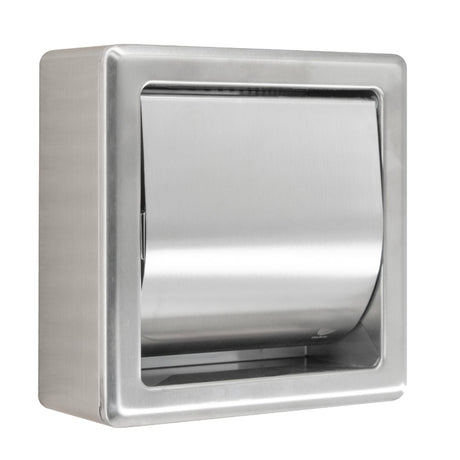
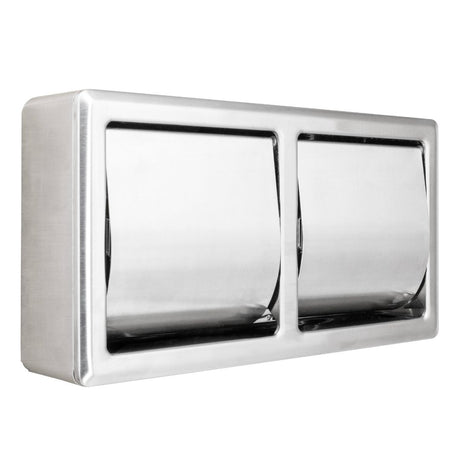
Toilet Paper Dispensers
Old dispensers are prone to jamming, overuse, and vandalism. Moving to a durable, vandal-resistant, twin or jumbo roll dispenser reduces refill frequency and cuts down on maintenance call-outs.
Paper Towel Dispensers
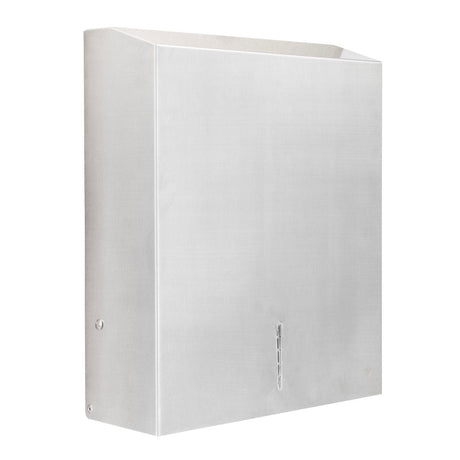
A tired or damaged paper towel dispenser can lead to damp, wasted stock and unnecessary top-ups. Fitting a modern, moisture-protected dispenser keeps paper towels accessible and hygienic for longer.
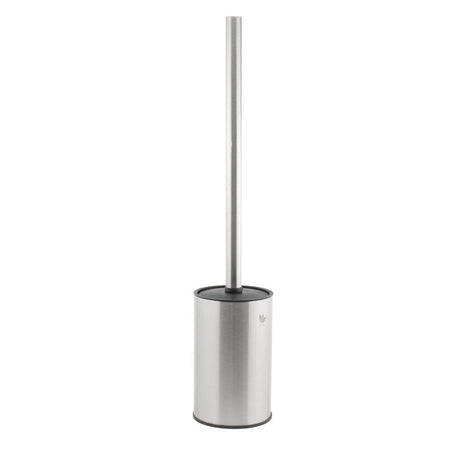
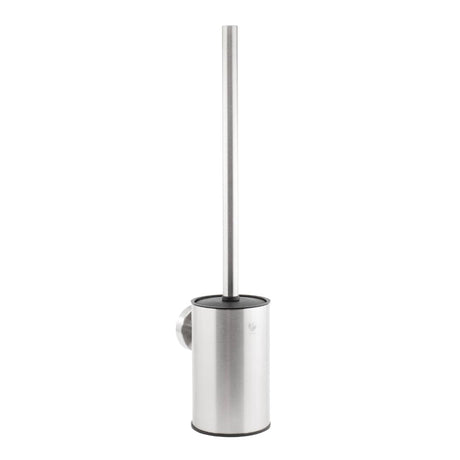
Toilet Brushes
Replacing worn toilet brushes and holders is a small but important refresh for washroom hygiene and presentation. Modern, easy-clean designs help maintain a tidier, more professional-looking facility.
Wall-Mounted Hair Dryers
Older hair dryer units can be underpowered and prone to breakdowns under heavy use. Moving to a durable, wall-mounted model built for continuous use is a worthwhile investment for gyms, leisure centres, salons, and hotels.
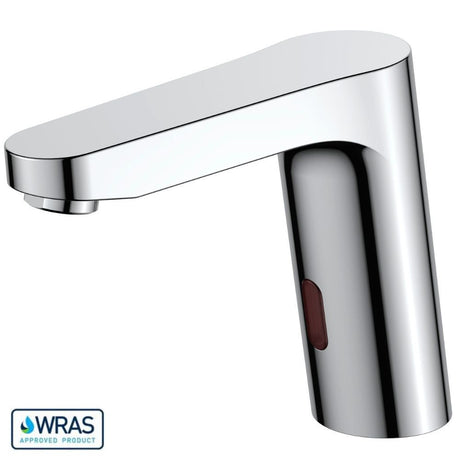
Sensor Taps
One of the highest-impact changes for washroom hygiene: replacing manual taps with touch-free sensor taps reduces cross-contamination and helps control water usage, making it a popular choice for healthcare, hospitality, and office refits.
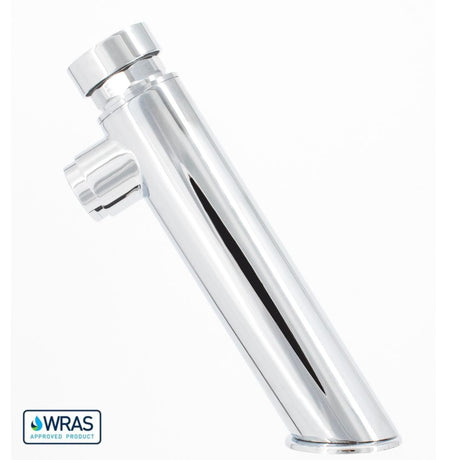
Push Taps
If sensor taps aren't in budget, self-closing push taps are a cost-effective alternative from standard manual taps. They reduce water waste through automatic shut-off while remaining simple and durable for heavy daily use.
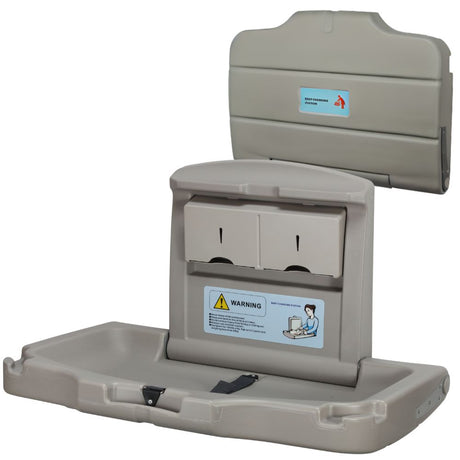
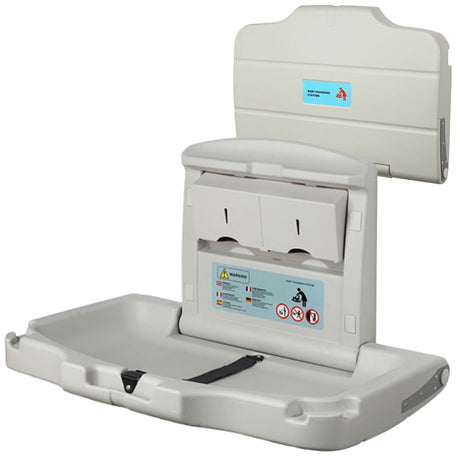
Add Baby Changing Tables
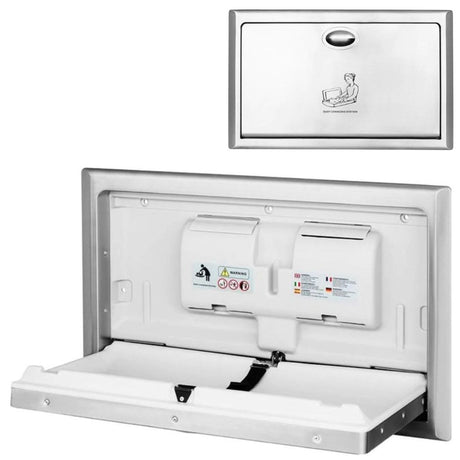
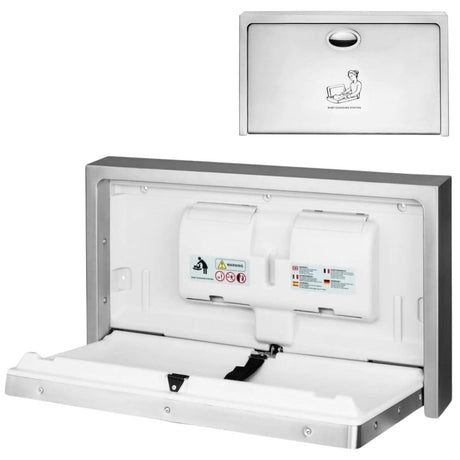
Adding a wall-mounted baby changing table is one of the most common washroom additions for retail, hospitality, and public facilities looking to meet visitor expectations. Sturdy, easy to clean, and space-saving when folded away.
Frequently Asked Questions
How do I know when to replace my hand dryer?
Signs it's time for a new unit include slow drying times, loud or inconsistent operation, rising energy bills, and frequent breakdowns. Modern hand dryers dry hands faster and more efficiently, often paying for themselves through reduced paper towel costs.
Is it worth switching to sensor taps?
Yes, for most commercial and public washrooms. Sensor taps reduce cross-contamination by removing the need for physical contact, which is particularly valuable in healthcare, hospitality, and high-footfall environments. They can also reduce water usage compared to standard manual taps.
What washroom upgrades have the biggest impact on hygiene?
Switching manual taps to sensor taps and moving to sensor or foam soap dispensers are typically the highest-impact hygiene upgrades, since they minimise touchpoints. Fitting better paper dispensers to keep supplies dry and accessible also plays a significant role.
Should I replace my paper towel dispenser or switch to a hand dryer?
This depends on your priorities. Moving to a modern hand dryer reduces ongoing paper costs and waste over time, while a new paper towel dispenser may suit facilities that need to minimise noise levels.
How often should washroom fixtures be replaced?
There's no fixed timeline, but most facilities review fixtures every 5 to 10 years, or sooner if they experience frequent breakdowns, visible wear, or rising maintenance costs. High-traffic washrooms typically need replacements more frequently than low-use facilities.
Do I need to add a baby changing table when refitting my washroom?
While not always a legal requirement, adding baby changing facilities is increasingly expected in retail, hospitality, and leisure venues. It's a common addition during a washroom refit to improve accessibility and meet visitor expectations.