

Choosing the right size electric panel heater is one of the most important steps in creating a warm, comfortable environment without wasting energy. A heater that is too small will struggle to maintain temperature, while one that is too powerful will waste money.
Electric panel heaters are a popular choice for homes, offices and commercial premises because they offer fast, even warmth in a slim, space saving design. In this guide, we explain how to work out what size panel heater you need and what factors should influence your decision.
What Is an Electric Panel Heater?
An electric panel heater is a slim, heating unit designed to warm a room quietly and efficiently. Unlike fan heaters, panel heaters provide a steady level of background warmth rather than bursts of heat, making them ideal for spaces where comfort and consistent temperature matter.
They are also quick to warm up, low maintenance and easy to install, which makes them a practical option for both primary and supplementary heating.
How Heater Size Affects Comfort, Efficiency and Running Costs
When talking about heater size, this usually refers to the heater’s wattage output rather than its physical dimensions. Getting the correct output is essential for both comfort and efficiency. A heater that is undersized will often run continuously as it tries to reach the desired temperature. This will cost more and the room will still remain cold.
Oversizing can also be an issue. While a powerful heater may warm the space quickly, it may cycle unnecessarily or consume more electricity than the room requires. The best option is to select a heater that matches the heat demand of the space so it can maintain warmth steadily without working harder than it needs to.
How to Work Out What Size Panel Heater You Need
A common way to estimate the right panel heater output is to start with the floor area of the room. Many UK heating guides use a watts-per-square-metre approach as a practical starting point, as it helps match the heater’s output to the size of the space being heated.
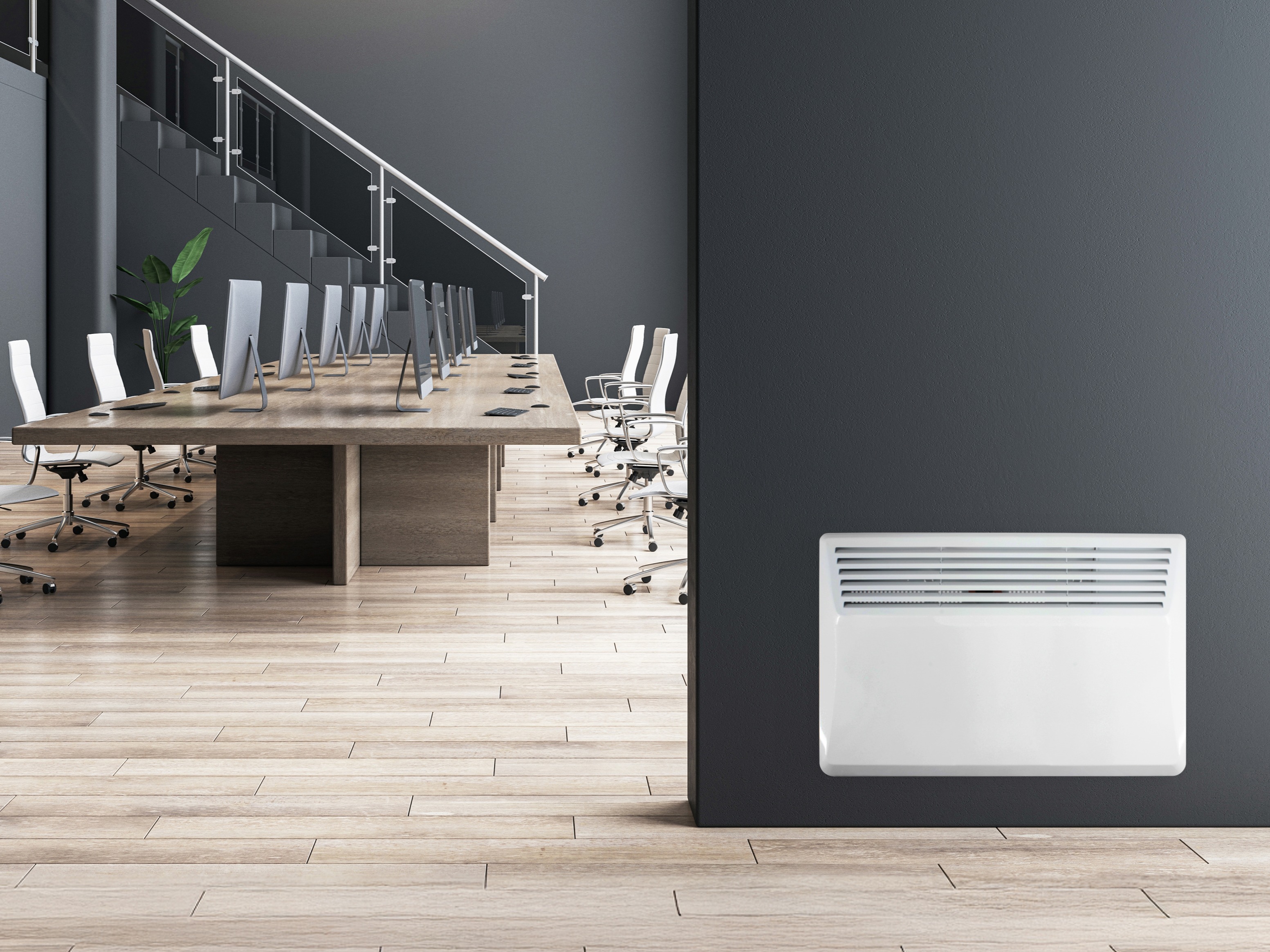
Tools such as the Heat My Space wattage calculator explain that, for a normally insulated room with standard ceiling height, around 100 watts per square metre is often a reasonable guideline. These tools go a step further by also taking into account the type of property, as different buildings lose heat at different rates. For example, older or period properties typically require more heating output than modern new-builds, while spaces like conservatories, offices or public buildings may need additional power due to higher heat loss, larger air volume or frequent door openings.
So, as a basic estimate:
- A 10m² room will often need around 1,000W (1kW)
- A 20m² room may require closer to 2,000W (2kW)
However, this is only a starting point. Real heating needs vary depending on how well the room holds heat, how many external walls it has, and how the space is used day to day. We’ve covered this in more detail in our guide to how much electric panel heaters cost to run, which breaks down typical usage and costs in a clear, practical way.
Factors That Affect the Right Heater Size
While room size is important, several other factors play a major role in determining what output you’ll need.
Insulation and Heat Retention
Well insulated rooms retain warmth far more effectively, meaning a smaller heater can often maintain comfort without running constantly. Poorly insulated buildings lose heat quickly, so higher wattage may be needed.
The Energy Saving Trust, one of the UK’s leading authorities on energy efficiency, regularly highlights insulation as one of the most effective ways to reduce heating demand and improve efficiency.
Windows, External Walls and Draughts
Rooms with large windows or multiple external walls tend to lose heat faster, particularly in winter. Even a moderate sized room may need extra heating capacity if this is the case.
Ceiling Height and Air Volume
Rooms with higher ceilings contain more air to warm, which increases heating demand. This is especially relevant in commercial buildings, where spaces are often larger and less enclosed than domestic rooms.
How the Space Is Used
A spare bedroom used occasionally will have very different heating requirements compared to a busy office space with constant occupancy. Matching heater output to usage patterns is key to avoiding wasted energy.
Typical Panel Heater Sizes for Common Spaces
Although every building is different, the examples below provide a useful general guide when choosing the right heater output for different types of rooms.
Small bedroom or home office (8–12 m²)
These spaces often require around 750 W to 1,250 W, depending on insulation levels and how the room is used. Well insulated rooms at the smaller end of this range may be comfortable with lower output.
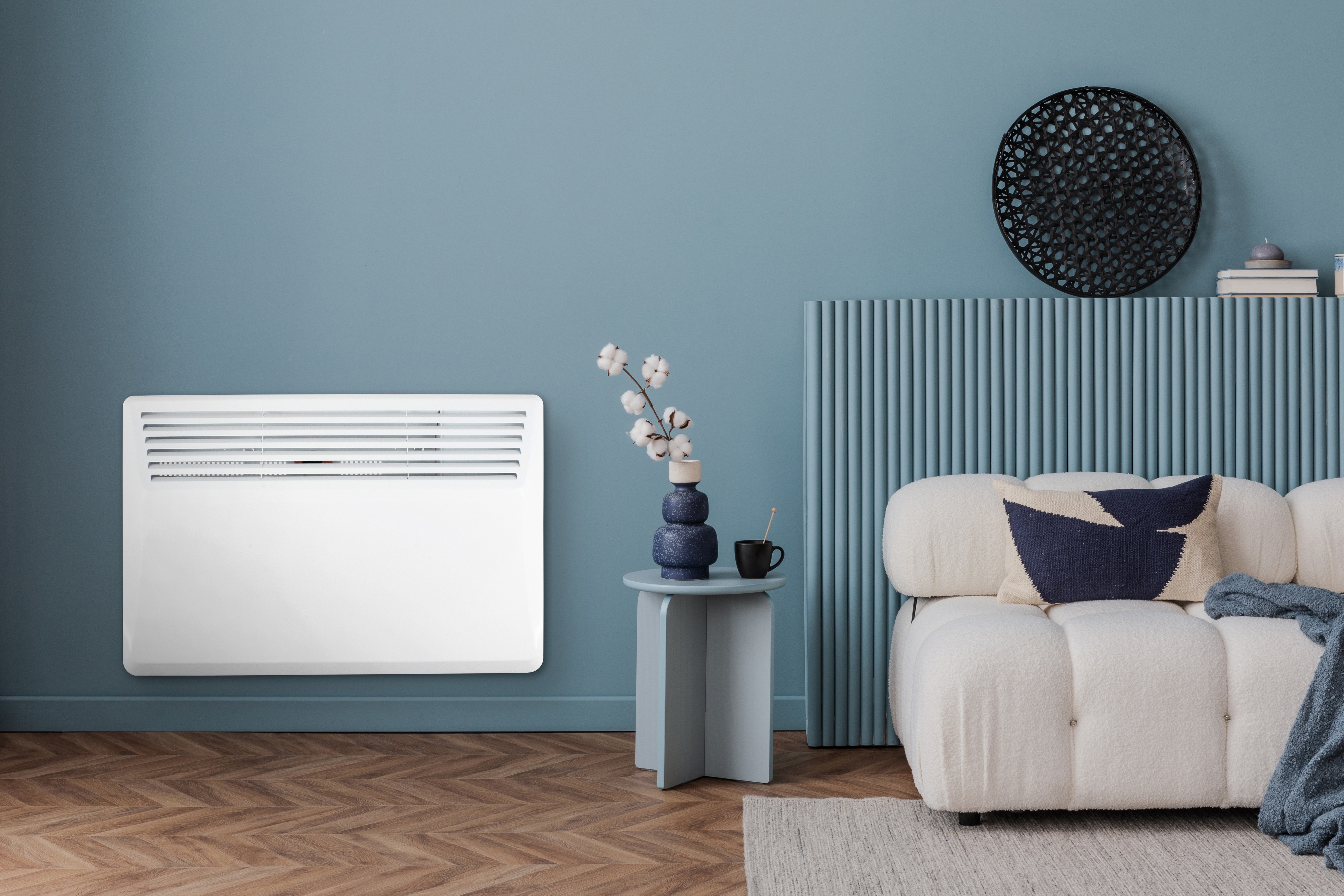
Medium living room or meeting room (12–20 m²)
Rooms of this size typically need between 1,250 W and 2,000 W to maintain a steady and comfortable temperature, particularly when occupied for longer periods.
Large open plan or commercial area (20 m² and above)
Larger spaces usually require 2,000 W or more, with the exact output depending on insulation quality, ceiling height and footfall throughout the day.
In spaces where warmth is needed consistently over long periods, higher retention heating systems may be worth considering. For example, the Dimplex Quantum RF high heat retention storage heater is designed to store heat efficiently and release it gradually, making it a strong option for larger areas where steady warmth is particularly important.
Primary Heating vs Supplementary Heating
Electric panel heaters can work as the main heat source in a room, or as supplementary heating alongside other systems. In a well insulated space, a correctly sized panel heater may be enough to provide full warmth throughout the day without needing additional support.
In colder buildings, or in high traffic commercial settings where doors open frequently and heat loss is greater, panel heaters are often used as zoned solutions. This allows you to heat occupied rooms only, rather than wasting energy heating an entire building.
The UK Government’s guidance on improving heating efficiency also notes that better zone control and thermostatic regulation are key steps in reducing unnecessary energy use and costs.
Controls and Features That Improve Efficiency
Modern electric panel heaters work far more efficiently when they’re used with the right controls, mainly because those controls stop the heater from running when it doesn’t need to. Features like thermostats and timers help the heater maintain a comfortable temperature and switch off automatically once that level is reached, rather than continuing to use electricity unnecessarily. This makes it easier to keep rooms warm without over-heating or wasting energy.
Many newer heaters also include digital controls and WiFi connectivity, which allow heating to be adjusted remotely and scheduled around how a space is actually used. This can be particularly helpful in commercial settings, where heating may need to be managed across multiple rooms or buildings. Having accurate temperature control is just as important as choosing the right wattage, as it helps deliver consistent warmth while keeping running costs under control.
Final Thoughts
Finding the right size electric panel heater depends on more than just the dimensions of the room. While a simple guideline like “100 watts per square metre” offers a useful starting point, factors such as insulation, windows, ceiling height and how the building is used all play a part in determining the output you actually need.
Choosing a correctly sized heater helps keep spaces comfortable without using more energy than necessary. When the output is well matched to the room, heat feels more even, temperatures are easier to control and running costs are more predictable over time.
If you’re thinking about upgrading your heating, it’s worth taking a look at the range of electric panel heaters available and if you’re unsure which size or style would suit your space best, our team is always happy to help you choose with confidence.

01143540047
02033270448