

Hand dryers versus paper towels has been argued in facilities management circles, healthcare settings and office boardrooms for decades and both sides have research they're happy to quote. The truth is that the answer depends on which hand dryers you're comparing, which paper towels, how they're maintained and how well people are washing their hands in the first place.
The conversation matters because hand drying isn't just a comfort step at the end of washing. It's a critical part of the hygiene process itself and the method used has a direct bearing on how well it works. This post works through the evidence, covering the science, the cost reality, the environmental picture and where the answer shifts depending on the setting.
Why the Hygiene Research on Hand Drying Is So Hard to Read
A widely cited review published in the Journal of Applied Microbiology found no clear consensus across the available studies and noted that many of the most influential publications had been sponsored by industries with a direct commercial interest in the outcome. Paper towel manufacturers and hand dryer brands alike have funded research that tends to favour their product, which makes it difficult to draw firm conclusions from individual studies alone.
What Happens to Bacteria When Hands Are Dried Properly
When hands are washed thoroughly and then dried completely, bacterial counts drop significantly with both methods. Studies that appear to show paper towels outperforming hand dryers often involve scenarios where participants have not washed their hands properly beforehand, or where older warm-air dryers are used rather than modern high-speed units. The distinction matters because older warm-air dryers perform very differently to contemporary touchless hand dryers and treating all dryer types as equivalent skews the analysis considerably.
Properly washed and completely dried hands are low-risk regardless of how they were dried. The critical point is the completeness of drying. Damp hands transfer bacteria at a far higher rate than dry ones, which is why drying time and efficiency matter so much in practice.
How Paper Towel Dispensers Create Hygiene Problems of Their Own
Research published in the American Journal of Infection Control found bacterial contaminants in unused paper towels taken directly from dispensers, before anyone had touched them. The study also found that drying hands with contaminated paper towels can increase rather than reduce bacterial counts on the skin, which is rarely acknowledged in comparisons that treat paper towels as a neutral, clean baseline.
Supply continuity adds a separate layer of risk. An empty paper towel dispenser is, by most accounts, the single biggest hygiene problem in any washroom. When towels run out, people tend to shake their hands dry, or walk away with damp hands. Neither of these outcomes support good hygiene. The wider cost and environmental case against paper towels is laid out in 7 facts about paper hand towels, alongside the figures that the industry tends not to publicise.
What HEPA Filtration Does for Hand Dryer Hygiene
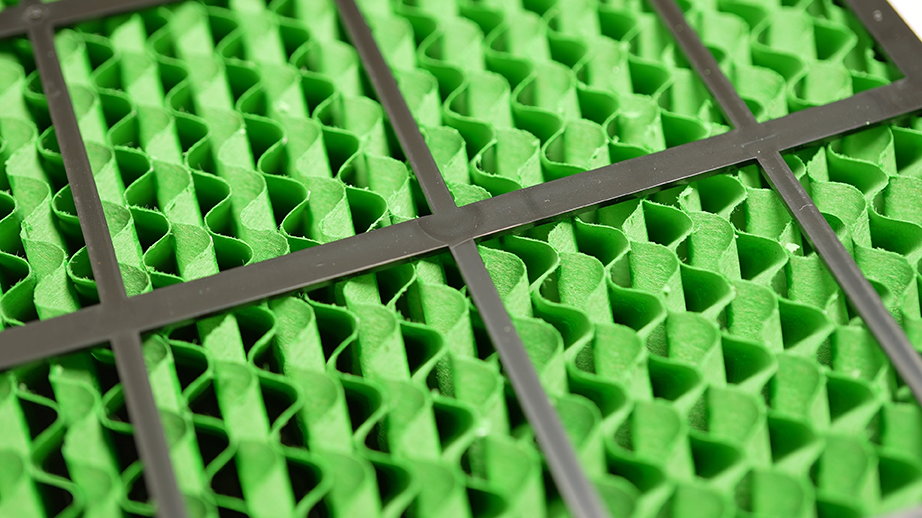
One of the most significant advances in hand dryer technology over the past decade is the integration of HEPA filtration. A HEPA (High Efficiency Particulate Air) filter traps particles down to 0.3 microns, including a significant proportion of airborne bacteria and fine dust, before the air is blown onto the user’s hands. This matters because it directly addresses the concern that dryers might recirculate contaminated washroom air.Why Touchless Hand Dryers Reduce Cross-Contamination Risk
Touchless hand dryers offer a practical hygiene advantage that is easy to overlook. Because they activate automatically when hands are placed beneath or inside them, users never have to touch a surface to operate the unit. In a washroom where surfaces are shared by many people throughout the day, removing even one touch point reduces the opportunities for cross-contamination, particularly in high-footfall environments.How Aerosol Spread Is Understood in Washroom Environments
The aerosol argument deserves a direct and honest response. Research by Kimmitt and Redway, published in the Journal of Applied Microbiology, found that jet air dryers can disperse viruses further than warm air dryers and paper towels when hands carry a high viral load.
What the Environmental Evidence Says About Paper Towels Versus Hand Dryers
Sustainability is an increasingly important factor in washroom specification decisions and this is an area where hand dryers hold a clear advantage. Life cycle analysis consistently shows that paper towels generate substantially more CO2 per hand dry than modern energy-efficient hand dryers. Producing one tonne of paper towels requires the felling of around 17 trees and consumes roughly 20,000 gallons of water. Once used, paper towels cannot be recycled and go directly to landfill, where decomposing paper produces methane, a greenhouse gas considerably more potent than CO2.Which Hand Drying Method Works Best for Different Commercial Washroom Settings
For most commercial washrooms, a modern touchless hand dryer represents the more practical, cost-effective and hygienic long-term solution. Running costs are substantially lower, there is no consumables supply to manage or run out of and the absence of waste means a cleaner, tidier washroom overall. These advantages compound over time, particularly in high-use settings where paper towel costs and restocking demands quickly add up.The hygiene comparison between hand dryers and paper towels is more nuanced than either industry tends to acknowledge. The research is mixed, often industry-funded and heavily dependent on variables like handwashing quality and dryer type. What is clear is that modern touchless hand dryers perform considerably better than older models, eliminate the supply continuity risks associated with paper towels and carry a substantially lower environmental footprint. For most commercial washrooms, they represent the more practical and sustainable long-term solution.
If you’re reviewing your washroom setup, our full range of hand dryers gives you exactly what you need to find the right unit for your footfall and environment and our team is always on hand to help with any questions

01143540047
02033270448