

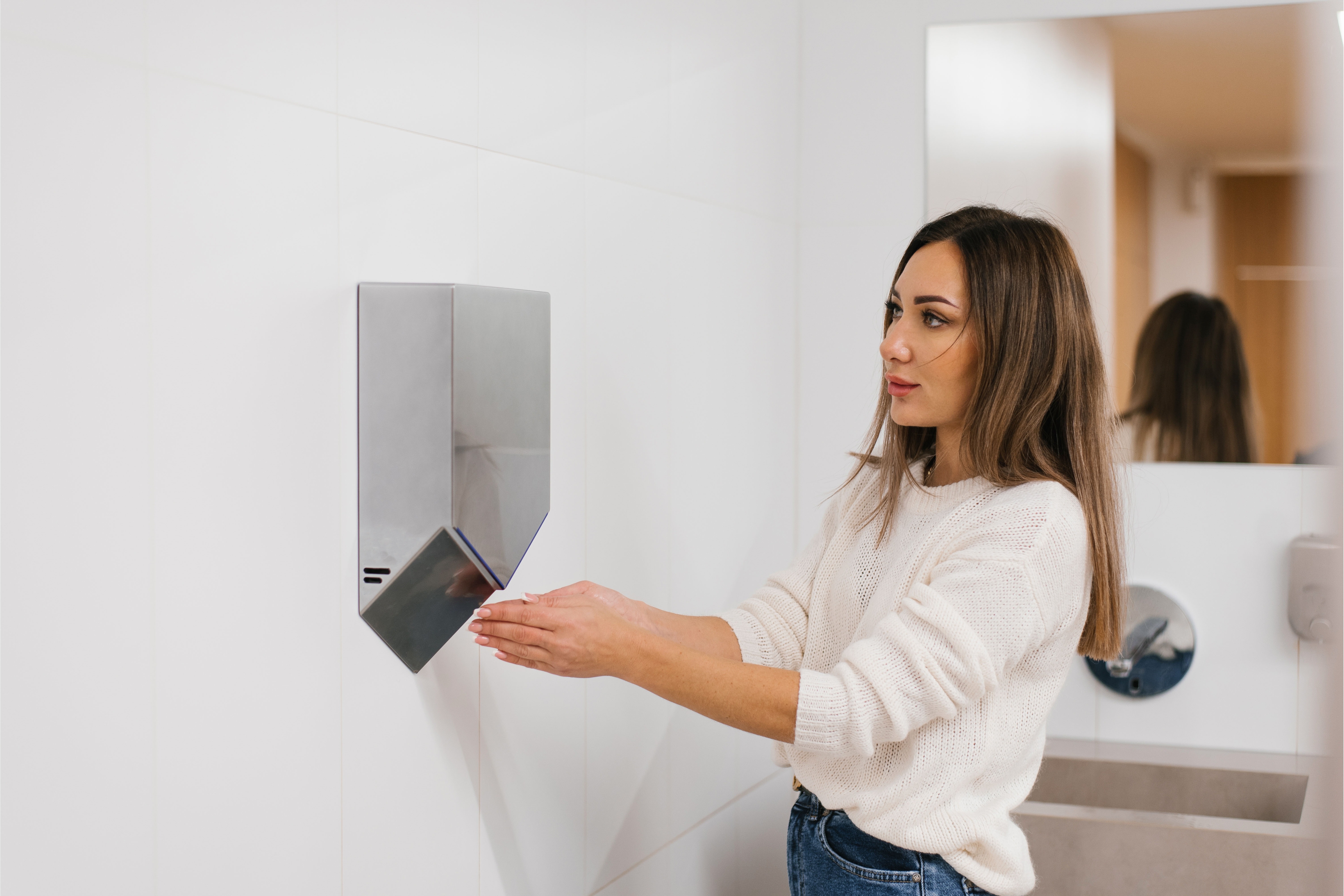
Nelle strutture sanitarie, l'igiene delle mani assume un livello di importanza diverso rispetto a quasi qualsiasi altro ambiente. Il personale clinico si lava le mani decine di volte al giorno, i pazienti sono spesso vulnerabili e le conseguenze di un controllo inadeguato delle infezioni possono essere gravi. La maggior parte dell'attenzione per l'igiene delle mani in ambito sanitario è rivolta al lavaggio, ma l'asciugatura è altrettanto importante e molto meno discussa. Le mani bagnate diffondono i batteri molto più facilmente di quelle asciutte, il che significa che l'asciugamani alla fine di quel processo non è solo una comodità. Fa parte della catena di controllo delle infezioni.
Questo post illustra cosa cercare quando si scelgono gli asciugamani per ospedali, studi medici, case di cura, studi dentistici e altre strutture mediche, incluse le caratteristiche più importanti, la tecnologia che li supporta e i prodotti specifici da considerare.
Perché l'asciugatura delle mani è una parte fondamentale dell'igiene delle mani in ambito sanitario
Le linee guida dell'Organizzazione Mondiale della Sanità sull'igiene delle mani chiariscono che un'asciugatura accurata è un passaggio richiesto, non opzionale. La ricerca mostra costantemente che le mani bagnate possono trasferire batteri a un tasso molto più elevato rispetto a quelle asciutte, il che significa che lasciare il lavandino con le mani umide aumenta significativamente il rischio di trasferire batteri altrove. In un ambiente sanitario in cui il personale si sposta direttamente dal bagno al contatto con il paziente, questa lacuna è importante.
Le infezioni correlate all'assistenza sanitaria rimangono una delle maggiori sfide per la sicurezza dei pazienti nel Regno Unito. Secondo l'NHS England, colpiscono centinaia di migliaia di pazienti ogni anno e mettono sotto enorme pressione i servizi. L'igiene delle mani è uno degli strumenti più efficaci disponibili per ridurle e l'attrezzatura fornita per supportarla ha un'influenza diretta su quanto bene funziona giorno per giorno. Il nostro post su dove si verificano i fallimenti dell'igiene del bagno illustra come decisioni apparentemente piccole nell'allestimento del bagno contribuiscano a risultati igienici più ampi e merita una lettura insieme a questa guida.
Cosa rende un asciugamani adatto agli ambienti sanitari
Non tutti gli asciugamani sul mercato sono adatti a un ambiente clinico. Gli asciugamani commerciali generici sono progettati per uffici, ospitalità e vendita al dettaglio e, sebbene molti funzionino bene in questi contesti, l'assistenza sanitaria ha una serie di requisiti più specifici. Le cose fondamentali da cercare in qualsiasi asciugamani destinato a un ambiente medico sono:
- Attivazione senza contatto, con sensore, in modo che l'unità stessa non diventi mai una fonte di contaminazione incrociata
- Un filtro HEPA per pulire l'aria prima che venga soffiata sulle mani appena lavate
- Un tempo di asciugatura rapido e costante per supportare la conformità tra il personale clinico che si lava durante un turno
- Bassa rumorosità dove l'unità è vicina a aree pazienti, reparti o sale di consultazione
Questi non sono optional in un contesto sanitario. Sono la base per un asciugamani che supporta il controllo delle infezioni piuttosto che ostacolarlo.
Filtri HEPA e perché sono così importanti negli ambienti clinici
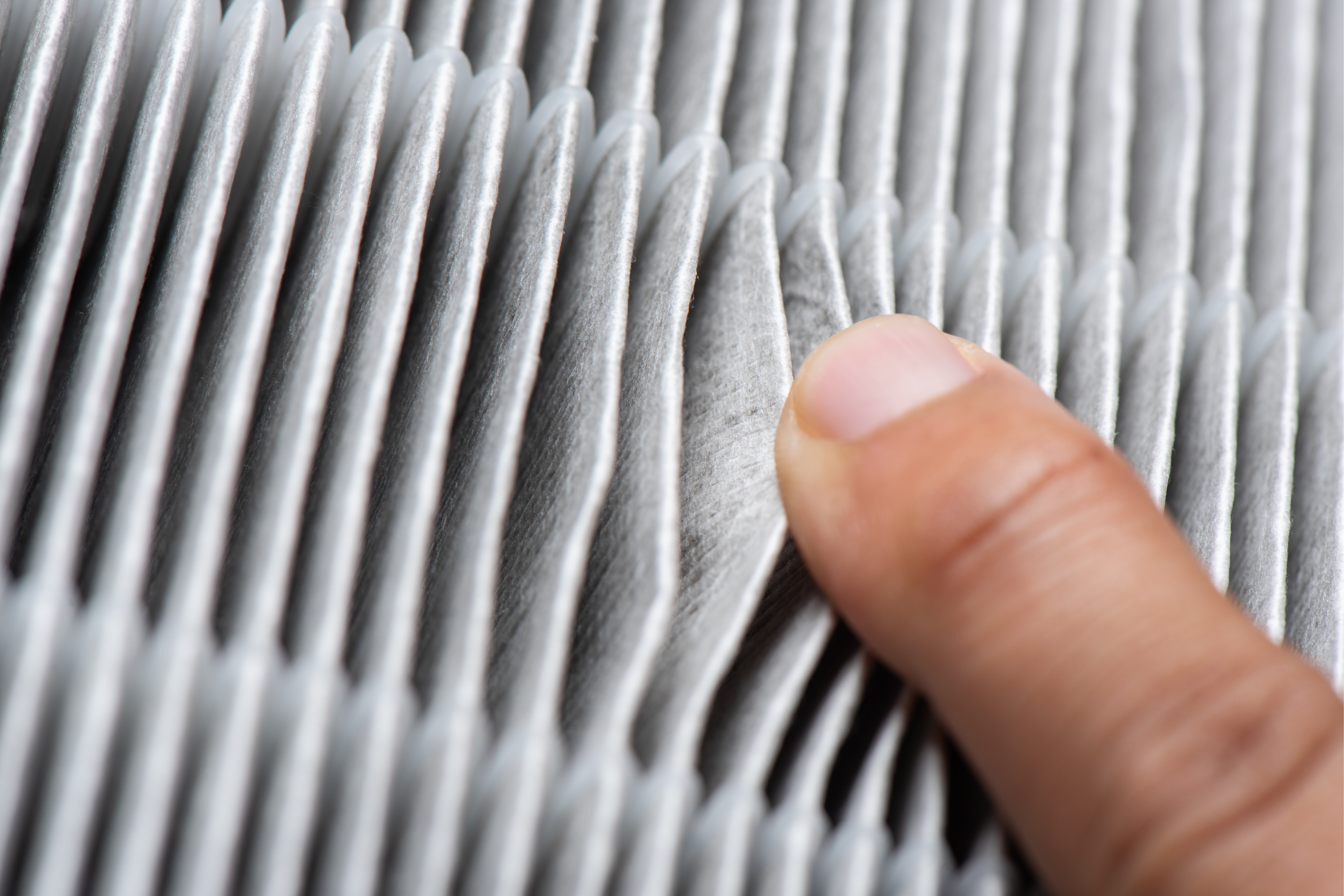
HEPA sta per High Efficiency Particulate Air. Un filtro classificato HEPA cattura una percentuale molto elevata di particelle aerodisperse mentre l'aria passa attraverso l'asciugatrice, inclusi batteri, polvere e altri contaminanti. In un bagno standard è una caratteristica utile. In un ambiente sanitario, dove pazienti e personale possono già essere vulnerabili alle infezioni, è molto più importante.
Gli asciugamani standard senza contatto stabiliscono un elevato standard di igiene. La filtrazione HEPA fa un ulteriore passo avanti pulendo il flusso d'aria prima che raggiunga le mani appena lavate, il che aggiunge un ulteriore livello di sicurezza particolarmente apprezzato negli ambienti clinici dove i pazienti possono essere più vulnerabili. La filtrazione HEPA di grado H13, presente in diverse unità che raccomandiamo per l'uso sanitario, rimuove il 99,95% o più di batteri e particelle di dimensioni virali da quel flusso d'aria prima che raggiunga le mani. In un ambiente in cui il controllo delle infezioni è una priorità clinica, questa è una differenza significativa.
Alcune unità combinano la filtrazione HEPA con uno ionizzatore, che rilascia particelle cariche nell'aria per neutralizzare i germi intorno all'asciugatrice. Il Mediclinics Machflow Plus con HEPA e ionizzatore fa esattamente questo. Anche per gli ambienti sanitari ad alto traffico, vale la pena considerare il Dryflow Infinity Hand Dryer con HEPA. Utilizza un sistema di doppia filtrazione che cattura il 99,5% dei batteri aerodispersi e lo abbina a un motore brushless costruito per un uso intensivo e prolungato.
Superfici antimicrobiche e mantenimento dell'unità stessa pulita
Quasi tutti gli asciugamani utilizzati oggi negli ambienti sanitari sono senza contatto, il che elimina la principale via di trasmissione dei germi al punto di utilizzo. La pulizia regolare rimane la base di qualsiasi routine igienica del bagno. Per gli ambienti in cui è desiderabile un ulteriore strato di protezione, alcune unità dispongono anche di un rivestimento antimicrobico sul rivestimento esterno.
I rivestimenti antimicrobici che utilizzano la tecnologia agli ioni d'argento, più comunemente Biocote, agiscono rallentando la riproduzione dei microbi sulla superficie trattata, riducendo il carico batterico sull'unità tra una pulizia e l'altra. Non è una cosa di cui ogni bagno sanitario avrà bisogno, poiché un asciugamani senza contatto con un programma di pulizia regolare servirà bene la maggior parte degli ambienti, ma per gli ambienti in cui vale la pena avere ogni possibile misura di controllo, è un'aggiunta pratica da considerare.
Cosa significa la certificazione HACCP e perché vale la pena cercarla
HACCP sta per Hazard Analysis and Critical Control Points (Analisi dei pericoli e punti critici di controllo). È un quadro di certificazione indipendente originariamente sviluppato per la sicurezza alimentare e ora ampiamente utilizzato in contesti sanitari, farmaceutici e clinici. Un asciugamani certificato HACCP è stato verificato in modo indipendente come adatto per ambienti in cui il controllo della contaminazione è un requisito formale, il che lo rende una conferma di terze parti piuttosto che un'affermazione del produttore.
Se si stanno specificando asciugamani per uno studio dentistico, una farmacia o qualsiasi ambiente clinico regolamentato, la certificazione HACCP elimina qualsiasi dubbio sull'idoneità. Il Mediclinics Dualflow Plus Eco non solo ha la certificazione HACCP, ma ha anche un rivestimento antimicrobico e una filtrazione HEPA H13. Vale la pena sottolinearlo perché questa combinazione di credenziali è rara in una singola unità.
Sterilizzazione UV nei bagni clinici ad alto rischio
Alcuni asciugamani ora incorporano l'illuminazione UV-C come ulteriore livello di controllo microbico. La luce UV-C ha proprietà germicide ben consolidate ed è già ampiamente utilizzata nelle apparecchiature di sterilizzazione dell'aria ospedaliere. Negli asciugamani, agisce sterilizzando le particelle catturate sul filtro HEPA, prevenendo l'accumulo e mantenendo il sistema di filtrazione al massimo delle sue prestazioni nel tempo.
Questo non è un requisito per la maggior parte dei bagni sanitari, ma nelle aree cliniche a rischio più elevato aggiunge un ulteriore livello di protezione degno di nota. Se si stanno specificando ambienti come reparti di oncologia o unità di immunologia dove il controllo delle infezioni aeree è sotto attiva gestione clinica, il nostro post su UV in asciugamani e unità di sterilizzazione dell'aria spiega come funziona la tecnologia e dove fa la differenza maggiore.
Perché i livelli di rumore contano più di quanto ci si aspetti
Questo tende ad essere trascurato nella selezione standard degli asciugamani, ma negli ambienti sanitari fa una reale differenza. Gli ospedali hanno stanze per i pazienti vicino ai bagni. Le case di cura hanno residenti che potrebbero trovare i rumori improvvisi e forti stressanti. Gli studi medici e dentistici hanno aree di attesa vicine al bagno e un asciugamani rumoroso che si diffonde in quegli spazi crea una cattiva esperienza per i pazienti già ansiosi.
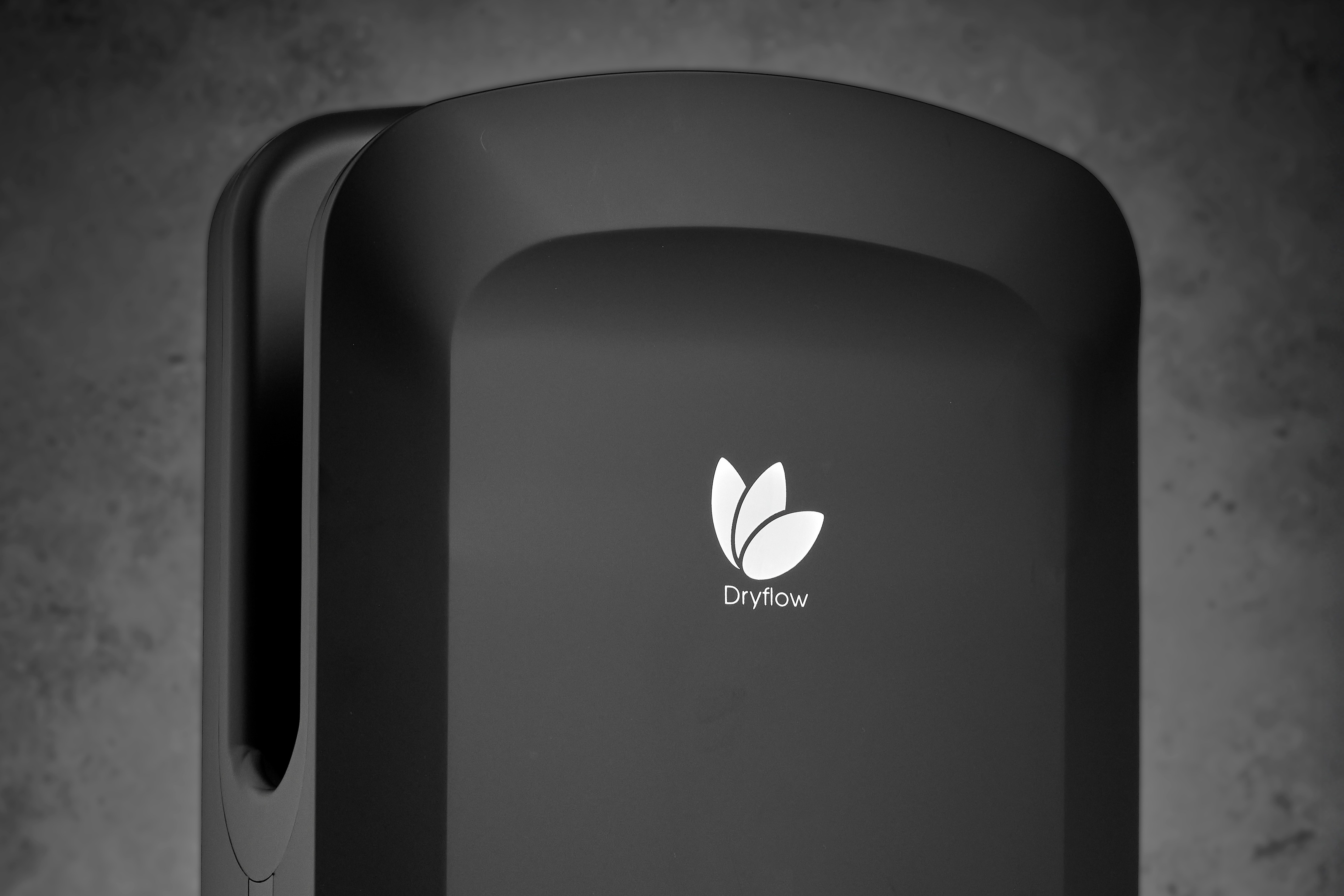
La gamma di asciugamani silenziosi include unità che offrono tempi di asciugatura rapidi senza i livelli di rumore che di solito accompagnano l'asciugatura ad alta velocità. Per gli ambienti sanitari sensibili al rumore, il Dryflow Viska è quello che raccomandiamo più frequentemente. Funziona a soli 65 dBA con un sensore a infrarossi senza contatto, un filtro HEPA integrato che cattura fino al 99% dei batteri aerodispersi e un profilo sottile di 100 mm che si adatta perfettamente a layout di bagno stretti. Il Dryflow BulletDri con HEPA è un'altra opzione che include un selettore di riduzione del rumore che consente di regolare la velocità del motore per adattarsi allo spazio, dando ai gestori delle strutture il controllo dell'equilibrio tra tempo di asciugatura e rumore per l'ambiente specifico in cui verrà installato. Nelle case di cura in particolare, questo tipo di flessibilità è utile.
Mantenimento dei filtri e prestazioni igieniche costanti
Un filtro HEPA è efficace solo quanto la sua manutenzione. I filtri raccolgono le particelle che catturano nel tempo e uno che è in ritardo per la sostituzione non funzionerà bene come uno pulito. In un ambiente commerciale standard si tratta di manutenzione ordinaria. In un ambiente sanitario, deve rientrare nel programma di manutenzione del controllo delle infezioni piuttosto che essere trattato separatamente.
La frequenza di sostituzione di un filtro dipende dall'utilizzo, ma un bagno clinico trafficato richiederà un'attenzione più frequente rispetto a un ufficio a basso traffico. La maggior parte delle unità rende questo semplice, con coperture rimovibili e parti chiaramente etichettate che non richiedono strumenti specialistici o la visita di un tecnico per la manutenzione. I filtri di ricambio per le unità che forniamo sono disponibili tramite la nostra gamma di ricambi e accessori per asciugamani e, se non siete sicuri del programma di manutenzione corretto per il vostro ambiente, il nostro team può consigliarvi in base all'utilizzo.
Come l'asciugamani si inserisce nell'allestimento più ampio del bagno
L'asciugamani funziona al meglio quando fa parte di un bagno che è stato progettato fin dall'inizio tenendo conto del controllo delle infezioni. I dispenser di sapone a sensore eliminano un punto di contatto all'inizio del processo di igiene delle mani. I rubinetti senza contatto significano che le mani non vengono ricontaminate quando si chiude l'acqua. Ogni elemento supporta gli altri e l'asciugamani è il passaggio finale di questa catena.
Pensare fin da subito a un quadro completo è importante, in particolare negli ambienti sanitari dove ogni punto di contatto conta. La nostra gamma di accessori per il controllo dell'acqua copre i dispenser di sapone senza contatto, i rubinetti e altri accessori che si affiancano all'asciugamani e, se state progettando un bagno sanitario da zero, le soluzioni complete per il bagno commerciale meritano un'occhiata per gli spazi in cui una configurazione completamente integrata ha più senso.
Scegliere asciugamani per ambienti sanitari e medici significa andare oltre il pensiero commerciale standard. La filtrazione HEPA, le superfici antimicrobiche, il funzionamento senza contatto, le prestazioni silenziose, i tempi di asciugatura rapidi e la manutenzione semplice contribuiscono a rendere un asciugamani adatto a questi ambienti. L'unità giusta supporta il controllo delle infezioni ad ogni utilizzo. Quella sbagliata introduce rischi inutili nell'ultimo passaggio di un processo igienico critico.
Se desiderate aiuto nella scelta di asciugamani per un ospedale, una casa di cura, uno studio medico, uno studio dentistico o qualsiasi altro ambiente medico, contattate il team di Intelligent Hand Dryers. Vi aiuteremo a trovare le unità giuste per l'ambiente, il traffico e gli standard igienici richiesti dal vostro ambiente.

01143540047
02033270448