

Con i costi energetici che rappresentano una preoccupazione fondamentale per case e aziende, non sorprende che le persone vogliano capire esattamente quanto costa il loro riscaldamento. I pannelli riscaldanti elettrici sono una scelta popolare per uffici, strutture pubbliche e spazi commerciali, grazie al loro design sottile, alla facilità di installazione e al controllo preciso. Ma quanto costano effettivamente al giorno?
In questa guida, spiegheremo cosa influenza i costi di esercizio, come calcolarli e come i pannelli riscaldanti elettrici possono essere utilizzati in modo efficiente per mantenere gli ambienti confortevoli senza sprecare energia.
Cos'è un pannello riscaldante elettrico?
Un pannello riscaldante elettrico è un'unità di riscaldamento sottile e montata a parete, progettata per riscaldare delicatamente l'aria in una stanza. A differenza dei termoventilatori, che soffiano aria calda e possono essere rumorosi, i pannelli riscaldanti funzionano silenziosamente e forniscono un livello di calore costante e uniforme. Ciò li rende una scelta popolare per i luoghi dove il comfort è importante e il rumore di fondo deve essere ridotto al minimo, come uffici, sale riunioni e aree reception. Il loro design semplice fa sì che si integrino perfettamente nella maggior parte degli spazi senza occupare spazio a terra.
Uno dei motivi principali per cui le persone scelgono i pannelli riscaldanti è il livello di controllo che offrono. Sono ideali per fornire calore esattamente dove è necessario, piuttosto che riscaldare un intero edificio per tutto il giorno. Molti modelli includono termostati e timer, che consentono di regolare le impostazioni in base all'uso dello spazio. Questo approccio mirato aiuta a mantenere il comfort mantenendo sotto controllo l'uso di energia e i costi di esercizio.
Cosa influisce sul costo di funzionamento di un pannello riscaldante elettrico?
Il costo di funzionamento di un pannello riscaldante elettrico può variare parecchio, a seconda di come e dove viene utilizzato. Sebbene i pannelli riscaldanti siano generalmente facili da usare, alcuni fattori chiave giocano un ruolo importante nel determinare i costi energetici complessivi. Capire questi fattori rende più facile scegliere il riscaldatore giusto e usarlo in modo più efficiente.
Alcuni dei principali fattori che influenzano i costi di esercizio includono:
-
Potenza del riscaldatore
I riscaldatori con maggiore potenza utilizzano più elettricità, specialmente quando funzionano a piena potenza.
-
Durata di funzionamento
Più a lungo il riscaldatore rimane acceso, maggiore sarà l'energia che consumerà.
-
Tariffa elettrica
Il costo per kilowattora (kWh) ha un impatto diretto su quanto si paga.
-
Dimensioni e isolamento della stanza
Le stanze più piccole e ben isolate richiedono meno calore per rimanere confortevoli.
-
Controlli
I termostati e i timer integrati aiutano a evitare lo spreco di energia riscaldando solo quando necessario.
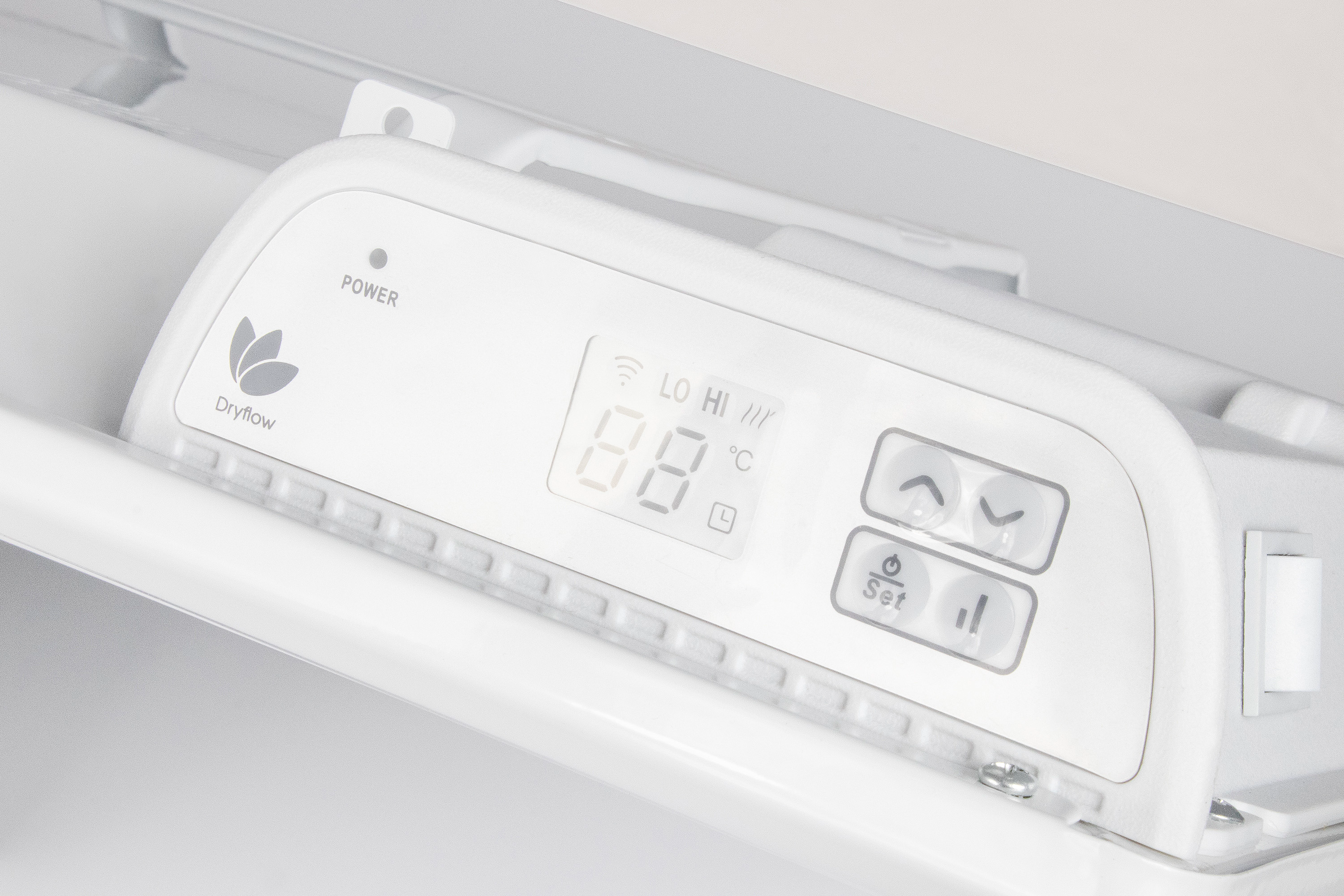
In generale, un pannello riscaldante dimensionato correttamente per la stanza e dotato di controlli efficaci sarà molto più economico da utilizzare rispetto a uno troppo potente o lasciato acceso inutilmente. Utilizzarlo in uno spazio ben isolato e regolare le impostazioni per adattarle all'uso effettivo può anche fare una notevole differenza nei costi di esercizio nel tempo.
Come calcolare i costi di esercizio in modo semplice
Calcolare quanto costa il funzionamento di un pannello riscaldante elettrico è più facile di quanto si possa pensare. Non sono necessarie conoscenze specialistiche o calcolatrici complicate, solo pochi dettagli di base sul riscaldatore e sulla vostra tariffa elettrica. Una volta fatto, è facile ripeterlo per diversi riscaldatori o modelli di utilizzo.
Iniziate controllando la potenza del riscaldatore, che di solito è indicata in watt. Per semplicità, convertitela in kilowatt dividendo per 1.000. Quindi un riscaldatore da 1.000 watt diventa 1kW. Poi moltiplicate la potenza in kW per il numero di ore in cui il riscaldatore viene utilizzato, e moltiplicate quella cifra per la vostra tariffa unitaria dell'elettricità.
Ad esempio, un riscaldatore da 1kW che funziona per 3 ore a 30p per kWh costerebbe:
1 × 3 × £0,30 = 90p al giorno
Se il riscaldatore fosse utilizzato per 20 giorni in un mese, ciò equivarrebbe a circa £18 al mese. Questo rapido calcolo fornisce un'idea realistica di cosa aspettarsi, rendendo più facile gestire il consumo energetico ed evitare sorprese sulla bolletta.
Pannelli riscaldanti elettrici in spazi commerciali e pubblici
Negli edifici commerciali e pubblici, i pannelli riscaldanti elettrici vengono spesso utilizzati come forma di riscaldamento a zone piuttosto che per riscaldare un intero edificio contemporaneamente. Ciò consente di riscaldare aree specifiche dell'edificio solo quando sono effettivamente in uso. È un approccio flessibile che funziona bene in edifici con diverse dimensioni di stanze e modelli di utilizzo variabili. I pannelli riscaldanti sono anche facili da installare, il che li rende un'opzione pratica per il retrofit di spazi esistenti.
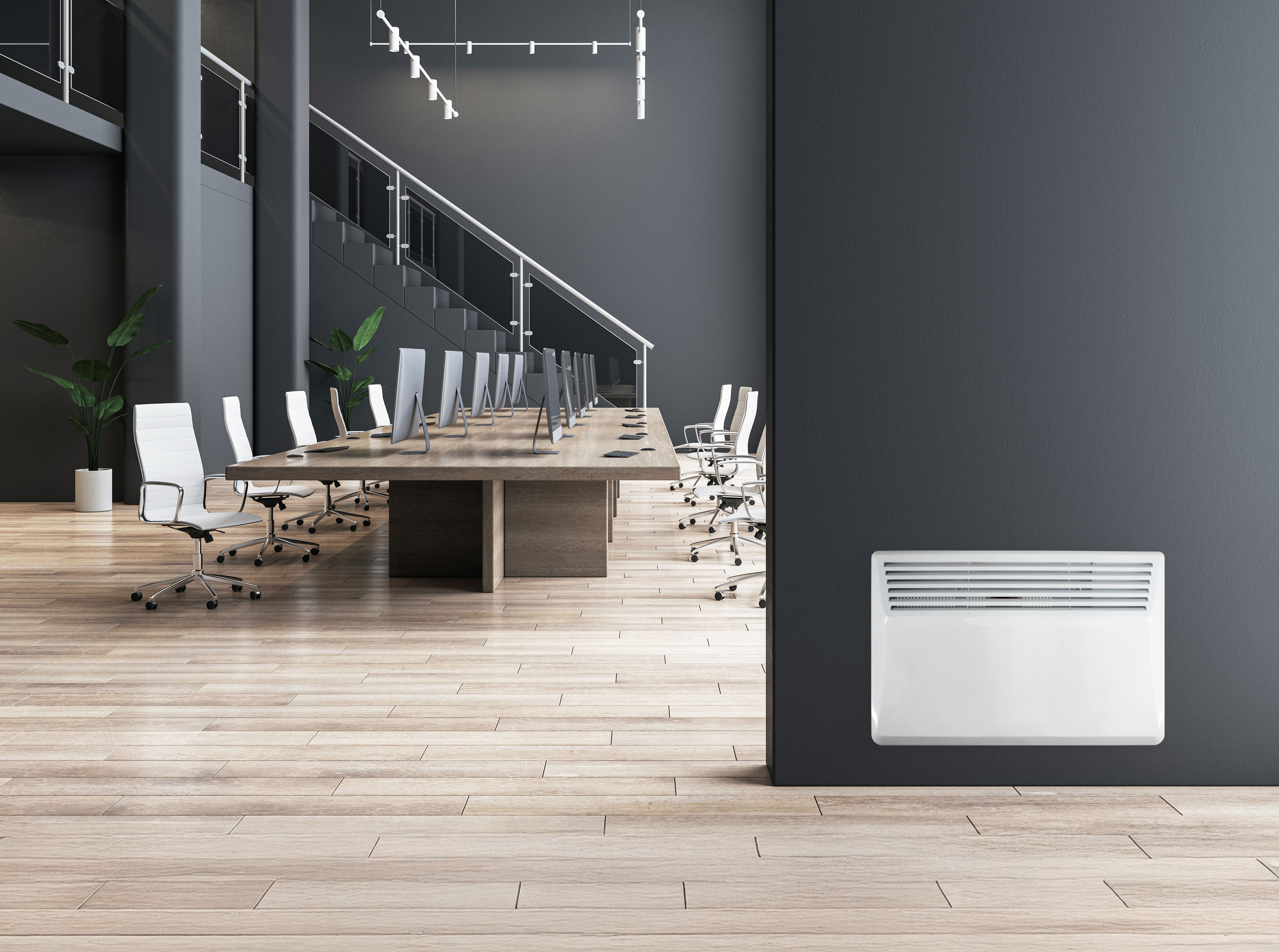
Poiché queste aree non sono sempre occupate, i pannelli riscaldanti vengono solitamente accesi solo quando necessario. Questo tipo di controllo mirato aiuta a tenere sotto controllo il consumo energetico e a evitare di riscaldare spazi quando non sono in uso. Negli edifici dove l'occupazione cambia durante il giorno, può portare a risparmi notevoli sui costi di esercizio pur mantenendo le persone a proprio agio.
I pannelli riscaldanti elettrici sono efficienti dal punto di vista energetico?
I pannelli riscaldanti elettrici sono spesso considerati efficienti perché quasi tutta l'elettricità che utilizzano viene convertita direttamente in calore, con pochissima energia sprecata. La vera differenza nell'efficienza si riduce a come quel calore viene controllato e utilizzato all'interno dello spazio. Quando un riscaldatore è ben abbinato alle dimensioni della stanza, può fornire un calore costante senza lavorare più del necessario.
Se combinati con un buon isolamento e un uso sensato, i pannelli riscaldanti possono essere un'opzione di riscaldamento pratica ed economica sia per gli spazi domestici che commerciali. Richiedono anche pochissima manutenzione continua, il che aiuta a mantenere prevedibili i costi a lungo termine.
Pannelli riscaldanti elettrici a confronto con altre opzioni di riscaldamento
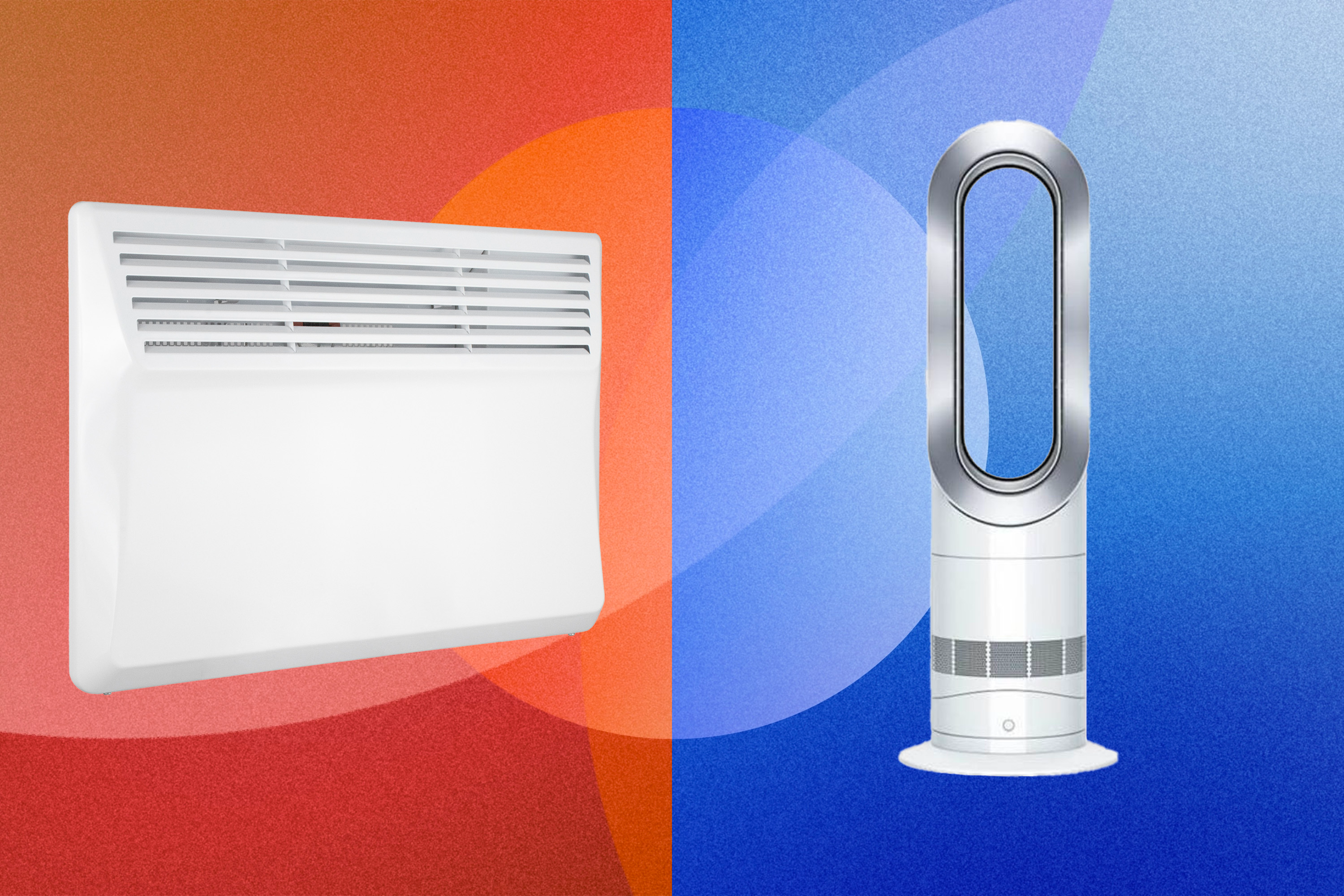
Rispetto ai termoventilatori, i pannelli riscaldanti sono notevolmente più silenziosi e forniscono un livello di calore più uniforme anziché raffiche di aria calda. Ciò li rende più confortevoli per lunghi periodi di utilizzo, specialmente in uffici o spazi condivisi. A differenza dei sistemi di riscaldamento centralizzato, i pannelli riscaldanti consentono di riscaldare singole stanze separatamente, anziché riscaldare l'intero edificio contemporaneamente.
Questo controllo stanza per stanza aiuta a ridurre l'energia sprecata nelle aree non utilizzate. È particolarmente utile negli edifici in cui diversi spazi sono occupati in diversi momenti della giornata. Nel tempo, questa flessibilità può portare a una migliore gestione dell'energia e a costi di esercizio inferiori.
Disponiamo di pannelli riscaldanti elettrici di marchi leader tra cui ATC, Consort, Dimplex, Dryflow e Hyco, offrendoti la flessibilità di scegliere il marchio e il modello giusto per le tue esigenze specifiche. Che tu abbia bisogno di unità compatte per stanze più piccole o riscaldatori ad alta potenza per spazi commerciali più grandi, la nostra gamma copre diverse esigenze di budget e prestazioni.
Sostenibilità e valore a lungo termine
Dal punto di vista della sostenibilità, i pannelli riscaldanti elettrici possono supportare un approccio più responsabile al riscaldamento se utilizzati in modo consapevole. Riscaldare solo gli spazi che ne hanno bisogno aiuta a ridurre la domanda complessiva di energia, il che è particolarmente importante negli edifici più grandi. Il riscaldamento elettrico funziona bene anche in combinazione con fonti di energia rinnovabile, come l'elettricità prodotta dal solare o dal vento.
I pannelli riscaldanti sono costruiti per durare e non richiedono frequenti manutenzioni o sostituzioni di parti. Questa lunga durata, combinata con le basse esigenze di manutenzione, aiuta a ridurre gli sprechi e a supportare un migliore valore a lungo termine. Per molti edifici, offrono una soluzione di riscaldamento affidabile ed ecologica che bilancia comfort, efficienza e praticità.
In sintesi, il costo di funzionamento di un pannello riscaldante elettrico si riduce a pochi semplici fattori, inclusi la sua potenza, per quanto tempo è acceso e quanto efficientemente viene utilizzato giorno per giorno. Sebbene i prezzi dell'elettricità influiscano sui costi complessivi, buoni controlli come termostati e timer fanno una grande differenza, aiutando a evitare sprechi di energia. L'uso di pannelli riscaldanti per riscaldare solo gli spazi effettivamente in uso può mantenere i costi di esercizio sorprendentemente gestibili. Per molti edifici commerciali e pubblici, questo approccio mirato offre un modo flessibile ed efficiente per mantenere il comfort senza la necessità di riscaldare inutilmente intere aree.
Se stai esplorando le opzioni di riscaldamento per il tuo spazio, dai un'occhiata alla nostra gamma di pannelli riscaldanti elettrici progettati per prestazioni affidabili e un controllo efficiente.
Non sei sicuro di ciò di cui hai bisogno? Contattaci, il nostro team sarà felice di discutere le tue esigenze e aiutarti a trovare la soluzione giusta in base alle dimensioni della tua stanza, a come la utilizzerai e a come mantenere sotto controllo i costi energetici.

01143540047
02033270448