

Washroom hygiene is often talked about in terms of individual features or fixtures. But in practice, hygiene does not succeed or fail because of one decision. It breaks down when small gaps appear across the washroom journey, particularly after hands have been washed.
From incomplete drying to recontamination at shared surfaces, hygiene failures tend to happen quietly and repeatedly. Understanding where these weak points appear makes it far easier to improve real world outcomes, rather than relying on surface level comparisons or assumptions.
Hand Drying Is One of the Most Overlooked Hygiene Control Points
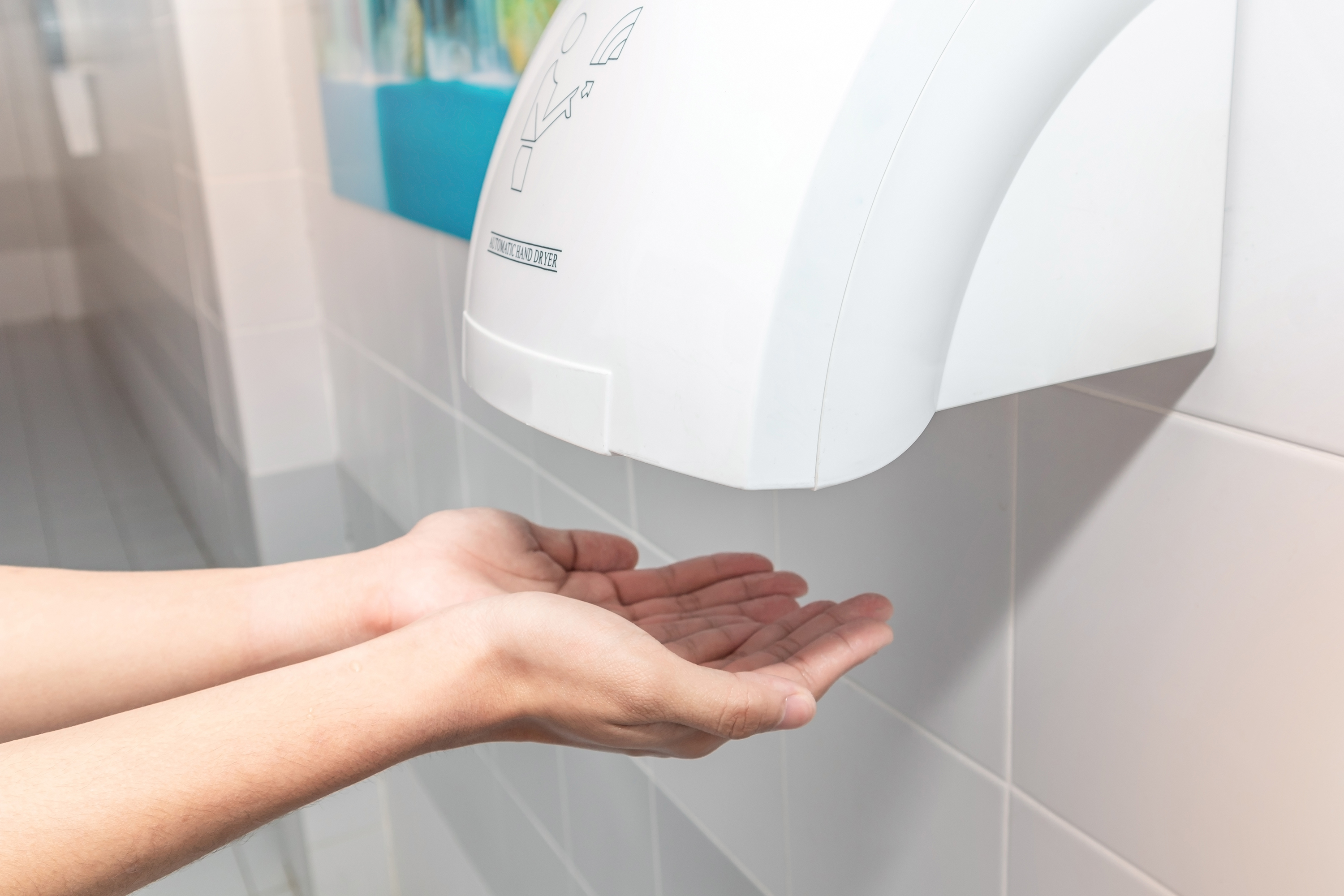
Hand washing removes contamination. Hand drying determines whether it stays that way. Once hands are washed, moisture becomes the main risk factor. Damp hands are far more likely to pass bacteria on to whatever is touched next, whether that is a door handle, a phone or a shared workspace.
While user behaviour can’t be controlled entirely, washrooms can be designed to make good hygiene the easiest option. Fast, effective drying and a clear, uncomplicated washroom layout help people move on quickly without leaving with damp hands. This makes hand drying one of the most important and practical hygiene control points available to facilities teams.
Why Inadequate Hand Drying Leads to Hygiene Failure
In many washrooms, hygiene starts to unravel at the drying stage. This is rarely due to poor intentions. More often, it is because the drying solution doesn’t reflect how the space is actually used.
Common issues include:
- Drying times that feel too long
- Airflow that does not remove moisture effectively
- Busy layouts that encourage people to rush
- Older equipment that no longer performs as expected
When drying feels slow or unreliable, people leave early. Damp hands then transfer bacteria to door handles, desks and shared equipment, undoing the benefits of handwashing almost immediately.
Damp Hands Are a Bigger Risk Than Many Realise
One of the most common misunderstandings in washroom hygiene is underestimating the impact of moisture. Hands that are almost dry behave very differently from hands that are fully dry, and that small difference can have a big effect on what happens next.
Those final seconds matter. Even small amounts of remaining moisture make it easier for bacteria to transfer to surfaces, which is why drying performance plays such an important role in overall hygiene. In many cases, improving how effectively hands are dried delivers immediate benefits without changing anything else in the washroom. Choosing a solution that suits how the space is actually used is key, which is why finding the best hand dryer for your situation can make such a noticeable difference to hygiene outcomes.
Aerosol Spread Is Part of the Washroom Environment
Aerosol spread is often raised as a concern in washroom hygiene discussions, particularly around hand drying. In reality, aerosols are present throughout the washroom, not just at the drying stage. Toilet flushing, running taps and even hand washing itself all generate fine particles that can remain in the air or settle on nearby surfaces. How much of a risk this presents depends far more on the washroom environment than on any single fixture.
Ventilation, spacing between facilities, cleaning routines and overall layout all influence how aerosols behave once they are released. This is where hand drying still plays an important role. Dry hands are less likely to pick up and transfer whatever is present on surrounding surfaces, helping limit the spread of contamination as users move on from the sink and back into shared spaces.
Washroom Layout and User Flow Influence Hygiene Outcomes
Hygiene is not just about the equipment you choose. It is also about how people move through the space and how easy the washroom is to use.
When layouts are poorly planned, bottlenecks form, people rush, and contact with shared surfaces increases. Clear user flow, sensible positioning of sinks and dryers, and an intuitive route through the washroom all help reduce these risks. When people can move through the space without hesitation or backtracking, it becomes easier for them to complete each step properly and leave with clean, dry hands.
Recontamination Happens Quickly After Drying
Even when hands are washed and dried properly, they are almost immediately exposed to shared surfaces as people move through the washroom and back into the building.
Door handles, taps, soap dispensers and waste bins are touched constantly throughout the day. Touch free features can reduce contact, but in most washrooms it is not realistic to remove every touchpoint. Some level of contact is simply unavoidable.
This again, is where drying quality really comes into play. Dry hands are less likely to transfer bacteria when contact does happen, helping limit how much contamination is picked up and passed on. Effective hand drying acts as a final line of defence at the exact moment hygiene is most likely to fail, just before users leave the washroom and re-enter shared spaces.
Washroom Maintenance and Its Impact on Hygiene Performance
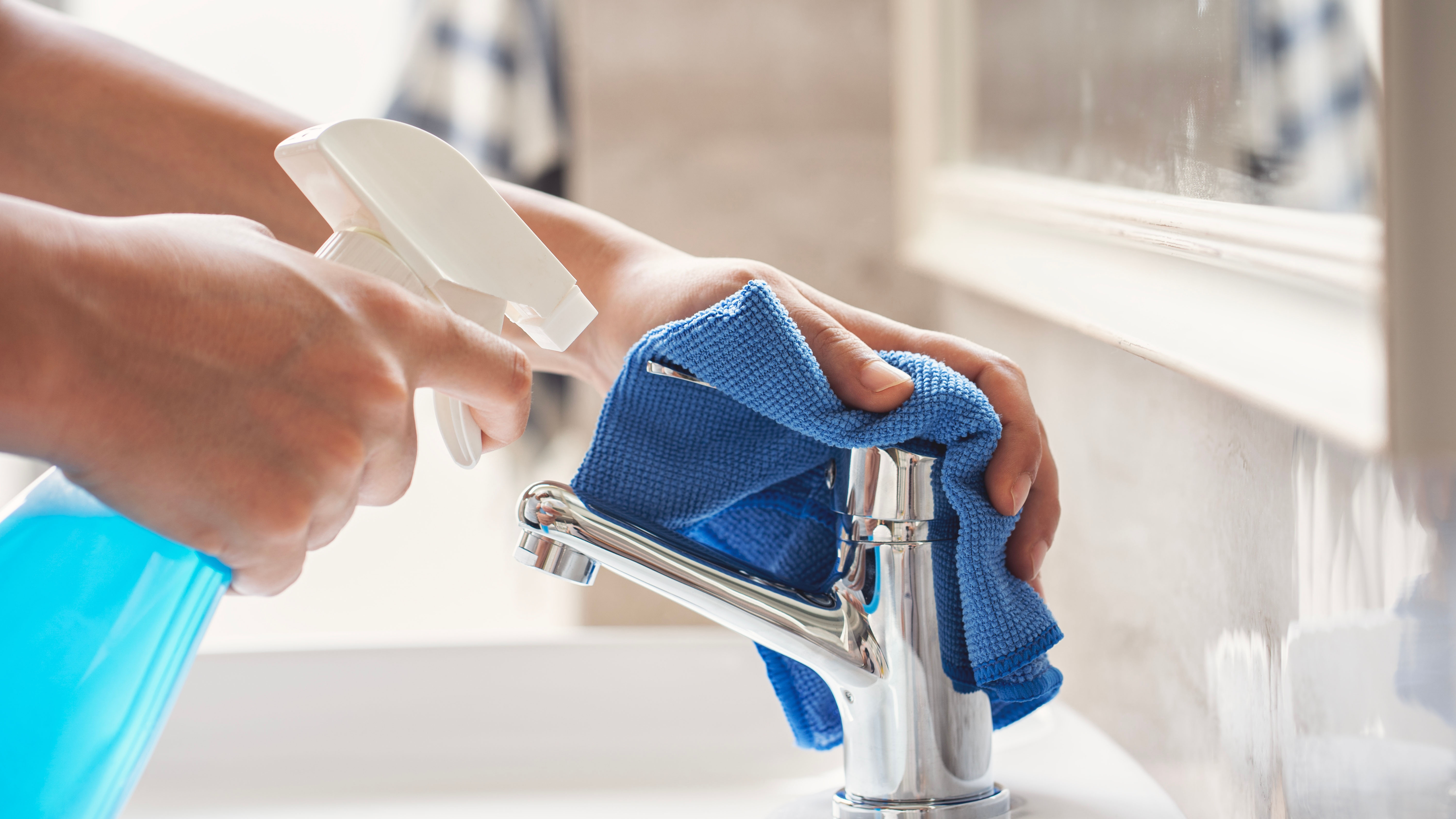
Hand dryers only support good hygiene if they continue to perform as intended. Over time, airflow can drop due to blocked inlets, clogged filters or general wear. When drying starts to take longer, people are far more likely to leave early with damp hands, increasing the risk of contamination without it being immediately obvious.
This is why routine upkeep matters. Our blog on hand dryer maintenance essentials shows how simple, regular checks help preserve drying performance and prevent hygiene standards slipping over time. In some cases, declining performance is a sign of a wider issue, and knowing when it is time to refurbish washrooms can help identify when layout, equipment and overall condition are working against hygiene rather than supporting it.
In summary, washroom hygiene rarely fails at the point of handwashing itself. It breaks down when the steps that follow are rushed or ineffective. While facilities teams cannot control every surface or user decision, they can control how easy it is for people to dry their hands properly. Making sure hands leave the washroom fully dry remains one of the most practical and reliable ways to reduce hygiene risk across any building.
If you’re reviewing your washroom setup, focusing on drying performance is a practical place to start. Our team is always happy to talk through your space and help you identify simple, effective ways to improve hand drying and reduce hygiene weak points.

01143540047
02033270448