

Washroom expectations have changed over time. People now place far greater importance on cleanliness, ease of use, and good hygiene in public and commercial environments. As a result, touch free technology has become far more common, from sensor taps to automatic soap dispensers and hand dryers.
Tap hand dryers are one of the more recent developments in this space. By combining hand washing and hand drying directly at the sink, they offer a different approach to traditional washroom layouts. In this guide, we’ll look at what tap hand dryers are, how they work and the key benefits they can bring to modern washrooms.
What Is a Tap Hand Dryer and How Does It Work?
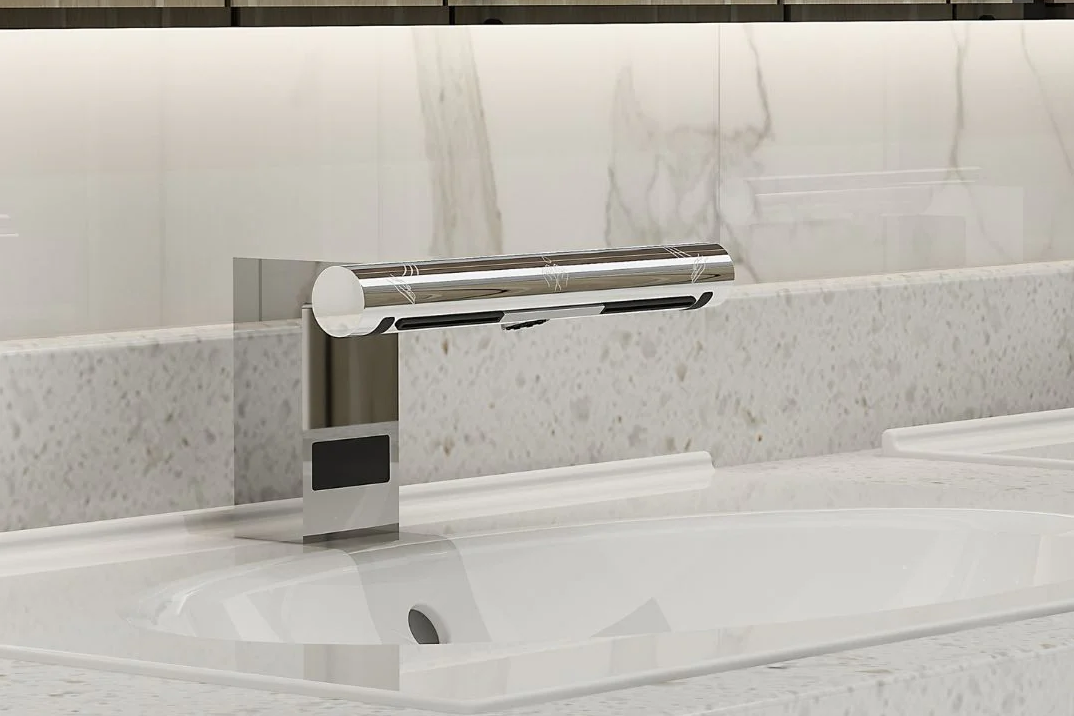
A tap hand dryer is a unit that delivers warm air for hand drying directly from a tap-style fitting positioned above the sink. After washing their hands, users simply move their hands within the sink area and the dryer activates automatically, keeping the entire handwashing and drying process contained in one place without needing to walk across the washroom to a wall-mounted dryer.
It's worth knowing that tap hand dryers come in two distinct forms, and the difference matters when it comes to installation.
The first is a fully combined wash and dry unit, like the AquaDry wash and dry tap hand dryer, which integrates both the water supply and the drying function into a single fitting. This is ideal for new builds or full washroom refurbishments where everything is being replaced at once.
The second type is a dedicated hand drying tap that sits alongside existing taps rather than replacing them. Units like The Splash Lab Ribbon and the bi-tap and tri-tap options work with your current sink setup, meaning you get all the benefits of tap-style drying without the need to replace your existing water fittings. For businesses looking to upgrade their washroom without a full refit, this is often the more practical and cost-effective route.
Both approaches use the same core technology. The difference is simply how much of the existing washroom setup needs to change to accommodate them.
How Tap Hand Dryers Improve Washroom Hygiene
One of the main advantages of tap hand dryers is improved hygiene. Traditional washrooms often require users to touch taps, buttons and sometimes even dryer switches, all of which can become points of cross contamination.
Because tap hand dryers rely on sensor activation, users can wash and dry their hands without touching any surfaces. This reduction in contact helps support better hygiene standards, particularly in washrooms with high footfall. The same principles are behind many sensor tap systems, which are designed to reduce unnecessary touchpoints while still being easy and intuitive to use.
By reducing touchpoints, tap hand dryers help support cleaner washroom environments, especially in high footfall locations.
How Tap Hand Dryers Improve Safety
A common problem in many washrooms is water being carried across the floor after handwashing. When people move from the sink to a wall mounted hand dryer water dripping from their hands can quickly lead to wet floors, especially in busy spaces where lots of people are using the facilities throughout the day.
Tap hand dryers help avoid this by keeping the entire process at the sink. Hands are washed and dried over the sink, so any excess water simply drains away rather than ending up on the floor. This can make a noticeable difference in keeping washrooms safer and more presentable between cleaning routines.
This ties closely into wider washroom design challenges, including the kinds of issues highlighted when looking at where washroom hygiene failures actually happen, where small details like water spread and user movement can have a bigger impact than expected.
How Tap Hand Dryers Help Reduce Water and Energy Waste
Tap hand dryers are designed to operate only when hands are detected, which helps prevent unnecessary water and energy use. Because the water and drying airflow activate automatically and stop as soon as hands are removed, there’s far less risk of taps being left running or dryers operating longer than needed.
This controlled use is particularly useful in busy commercial washrooms, where manual taps and traditional dryers can easily be overused throughout the day. Over time, those small inefficiencies add up, increasing both water consumption and energy costs without improving the user experience.
By combining sensor operated taps with fast, efficient drying at the sink, tap hand dryers help ensure resources are used only when required. This makes them a practical choice for organisations looking to improve efficiency while maintaining high standards of hygiene and comfort.
Supporting Sustainability and Environmental Goals
Sustainability is a growing priority across many sectors, from hospitality to retail. Tap hand dryers support a more environmentally responsible approach to washroom design by reducing reliance on disposable products and encouraging more efficient use of resources.
By removing the need for paper towels, they help cut down on waste, storage needs and ongoing replenishment. Combined with efficient airflow and short drying times, tap hand dryers offer a practical solution for organisations looking to improve sustainability without compromising on hygiene or user experience.
Why Tap Hand Dryers Improve the Washroom Experience
From a user’s point of view, tap hand dryers make the washroom experience feel more straightforward and intuitive. Washing and drying hands happens in one place, which feels quicker and avoids the need to move around the washroom with wet hands, making the process simpler and more comfortable.
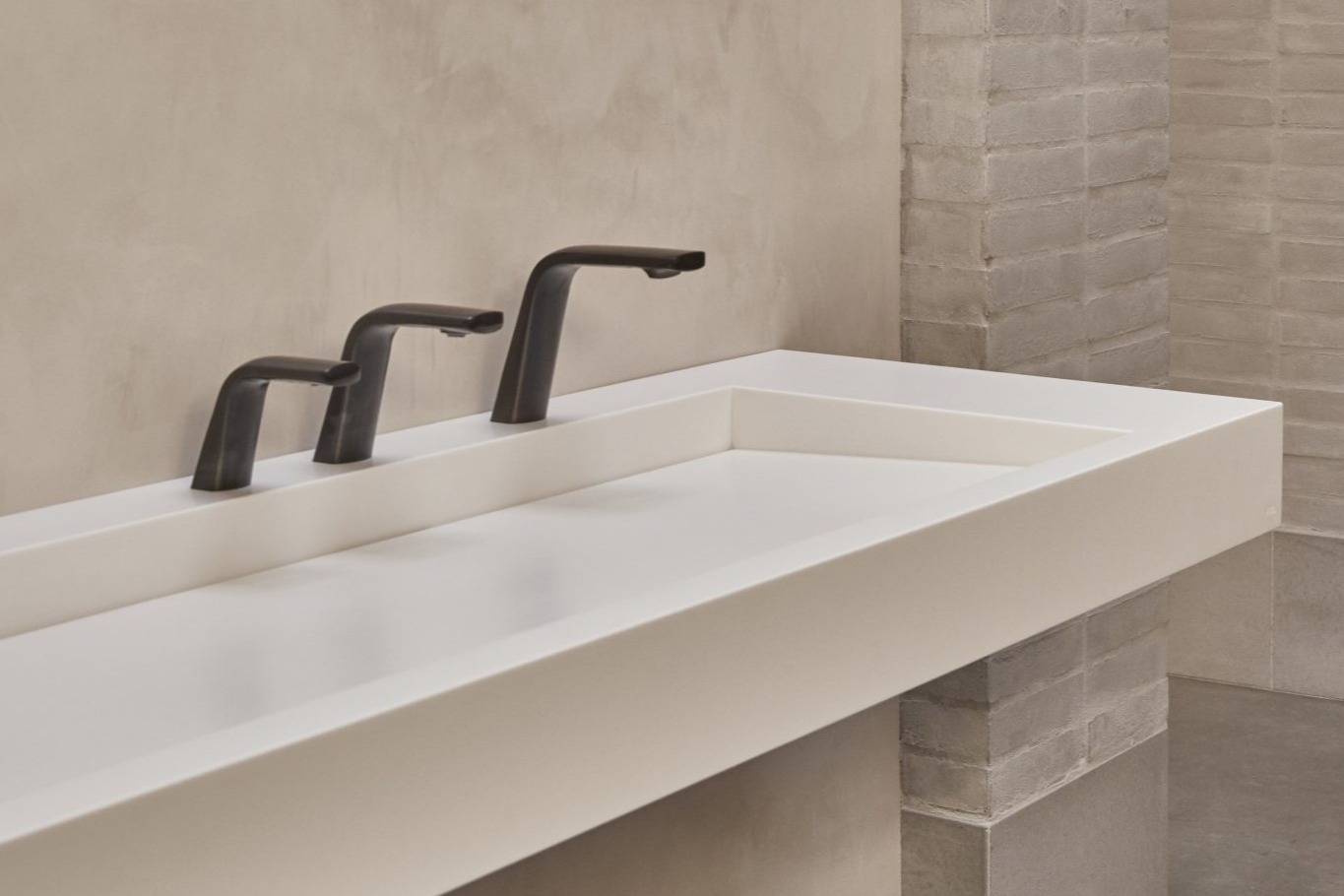
This is especially helpful in busy environments, where a clearer flow around sinks helps reduce crowding and because hands are dried over the sink, there’s also less water carried across the washroom, helping the space feel cleaner and more pleasant for everyone using it.
Where Tap Hand Dryers Are Most Effective
Tap hand dryers tend to work best in environments where hygiene, efficiency and ease of use are a priority, particularly in busy washrooms that need to cope with regular daily use.
They are particularly well suited to certain environments, including:
- High traffic commercial washrooms where reducing touchpoints and maintaining cleanliness is important
- Premium or design led spaces where a clean, streamlined look plays a role in the overall impression
- Buildings looking to cut down on paper towel use and reduce ongoing waste
- New builds or major refurbishments where washroom layouts can be planned around combined tap and dryer fittings
They may not be the right solution for every washroom, especially where existing sinks or plumbing make installation more complex. That said, for many commercial and public spaces the long term benefits in hygiene, cleanliness and reduced maintenance mean tap hand dryers are well worth considering.
In summary, tap hand dryers offer a modern approach to washroom design by combining handwashing and drying into a single, touch free process. They help improve hygiene, keep floors cleaner, reduce waste and create a more streamlined washroom layout. By supporting efficient water and energy use, tap hand dryers also align well with sustainability goals and long-term cost control. For commercial and public washrooms, these benefits can make a meaningful difference to both users and facilities teams.
If you’re planning a washroom upgrade, explore our range of tap hand dryers to see how they could work in your space and if you’d like advice on suitability or installation, our team is always happy to help.

01143540047
02033270448